BMFTR, 2019-2021 Definition Phase, 2021-2025 Research & Development Phase, 2025-2027 Implementation Phase
Prof. Anke Hagemann, Lukas Pappert, Johanna Westermann, Melanie Marshal, Ania Wilk-Pham
Former staff: Adrian Hodgson, Tino Imsirovic
Polycentric Approaches to the Management of Urban Water Resources in South-East Asia
A Localization of the Sustainability Targets of Agenda 2030 and the New Urban Agenda at the City/Municipality Level
Cities in South-East Asia are challenged to seek new ways to enhance their resilience, inclusiveness, and water resource security. Achieving the 2030 Agenda for Sustainable Development and its Sustainable Development Goals (SDGs) can only be realized if water resources are effectively protected and managed for the enhancement of water security in all countries of the region. In urban zones of SEA region, the challenges for comprehensive water management are of crucial importance and reflect a range of specific challenges of urban development.
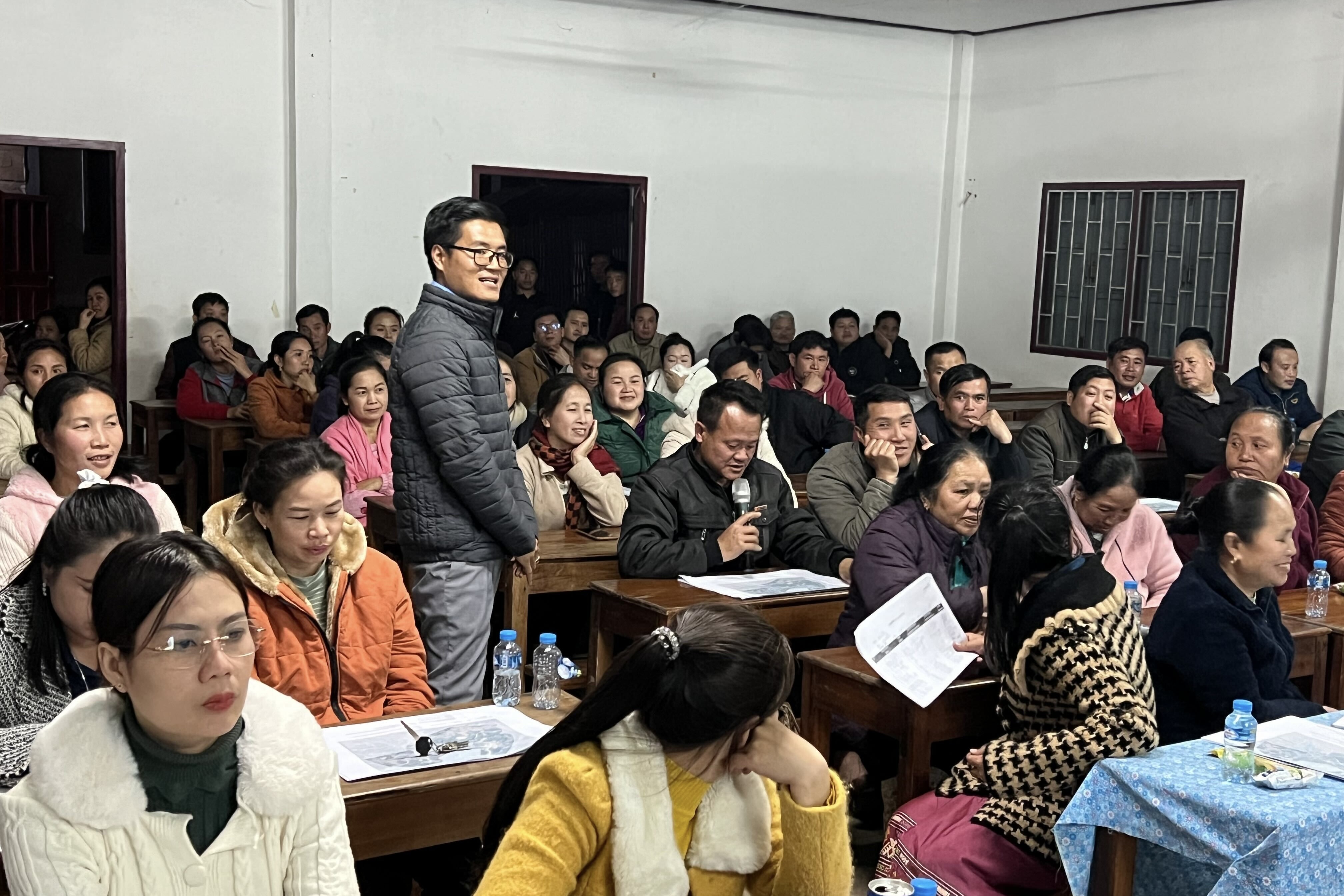
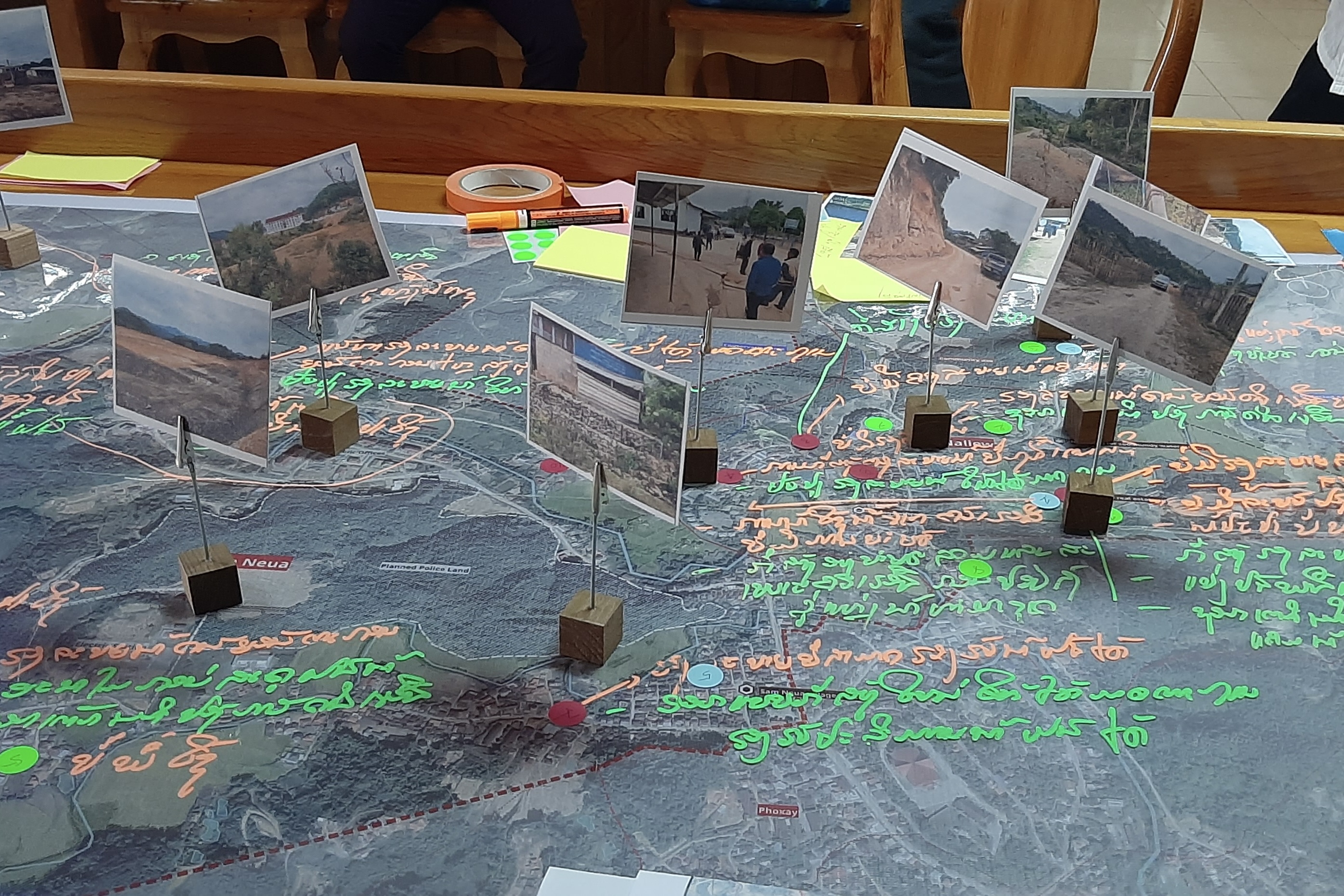
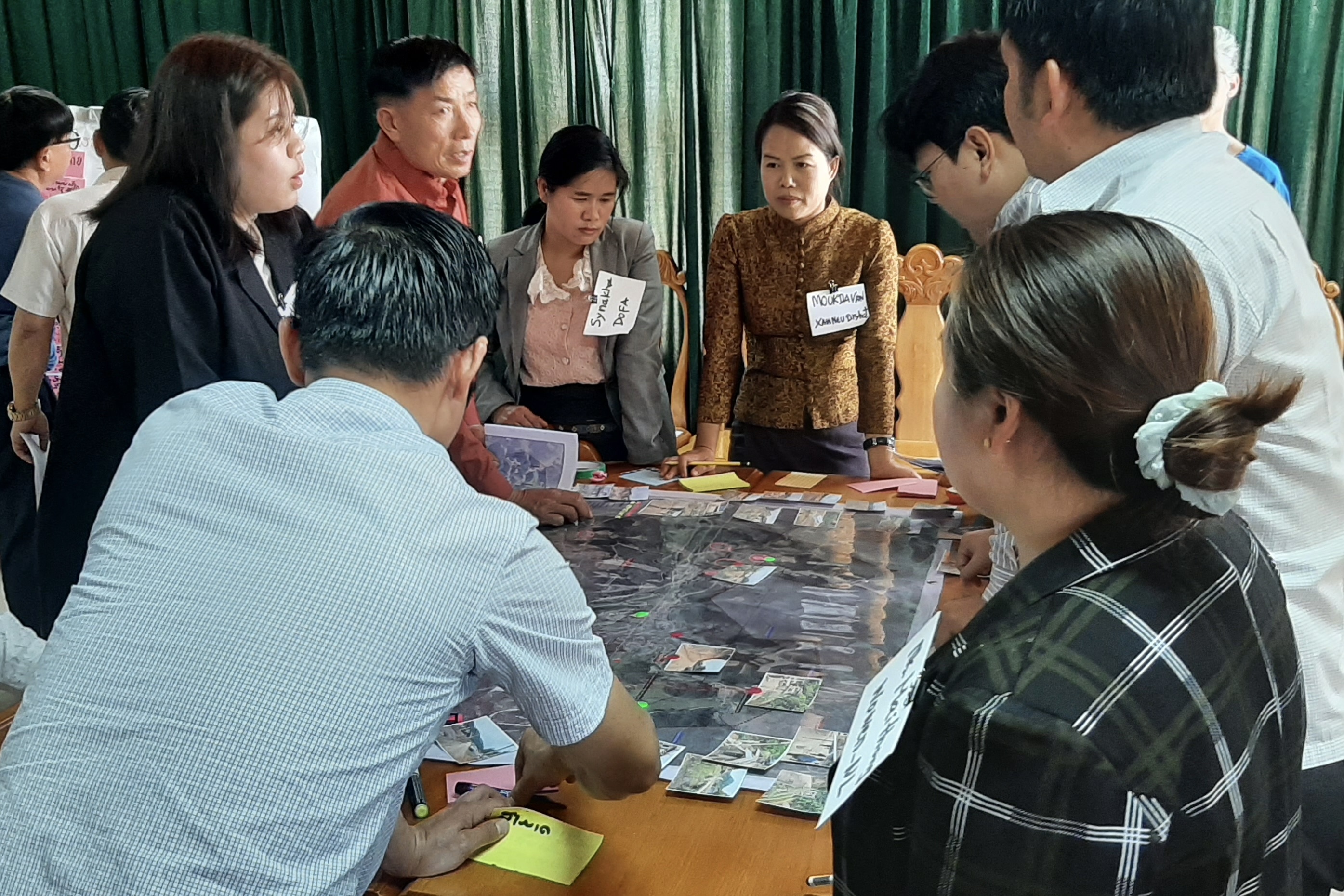
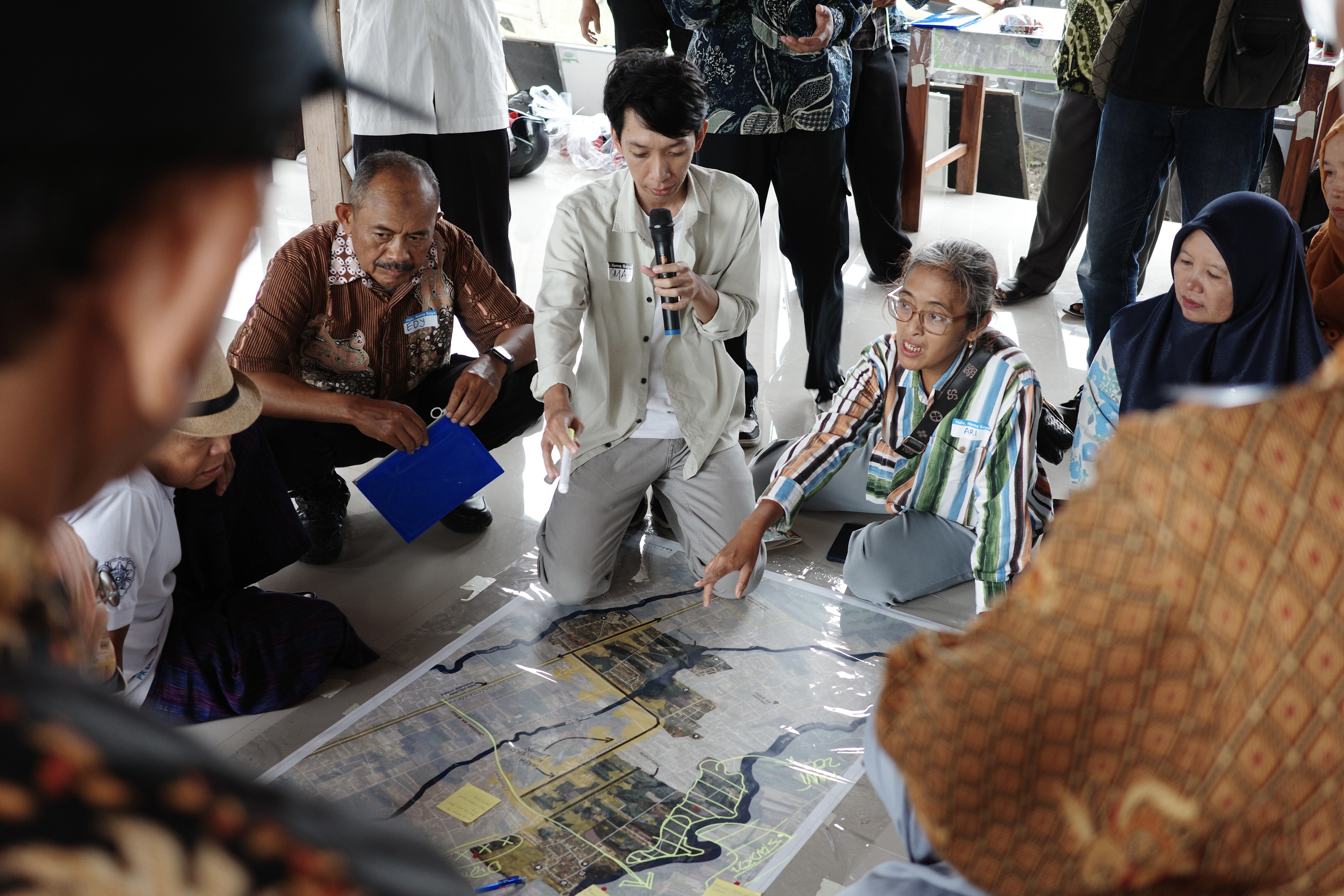
'PolyUrbanWaters' is in line with calls to advance research and development to generate innovative solutions for a comprehensive polycentric, water-sensitive urban transformation.
As outputs, the practice-orientated project will generate comprehensive scientific knowledge about the parameters that are relevant for a polycentric, water-sensitive urban development as a lever for transformation to sustainability at the municipal level, and will develop instruments that support respective transformation processes at the local, national, and Southeast Asian scales.
Habitat Unit will carry out the scientific monitoring of the real laboratories from a planning and urban research perspective with the aim of translating the concrete experiences into strategic approaches, instruments and tools that can be transferred to other districts or municipalities.
The PolyUrbanWaters project is funded by the German Federal Ministry of Research, Technology and Space (BMFTR, formerly BMBF). An initial Definition Phase from 08/2019 to 01/2021 was followed by the Research and Development Phase from 02/2021 to 01/2025. The project is continuing with an Implementation Phase from 2025 to 2027.

Current Implementation Phase
The most recent PolyUrbanWaters updates show the project moving from pilot learning into a more implementation-oriented phase across the three case studies.
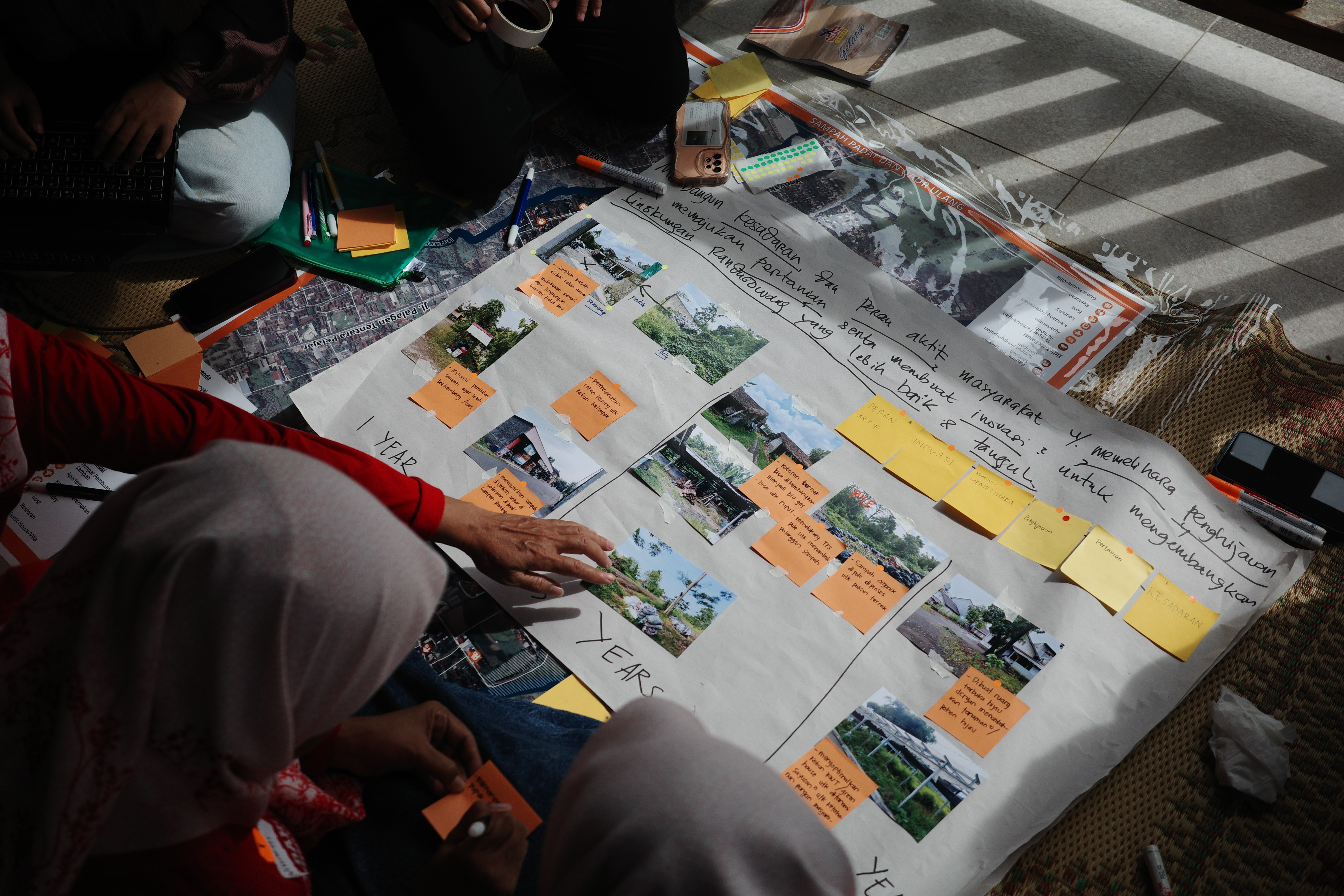
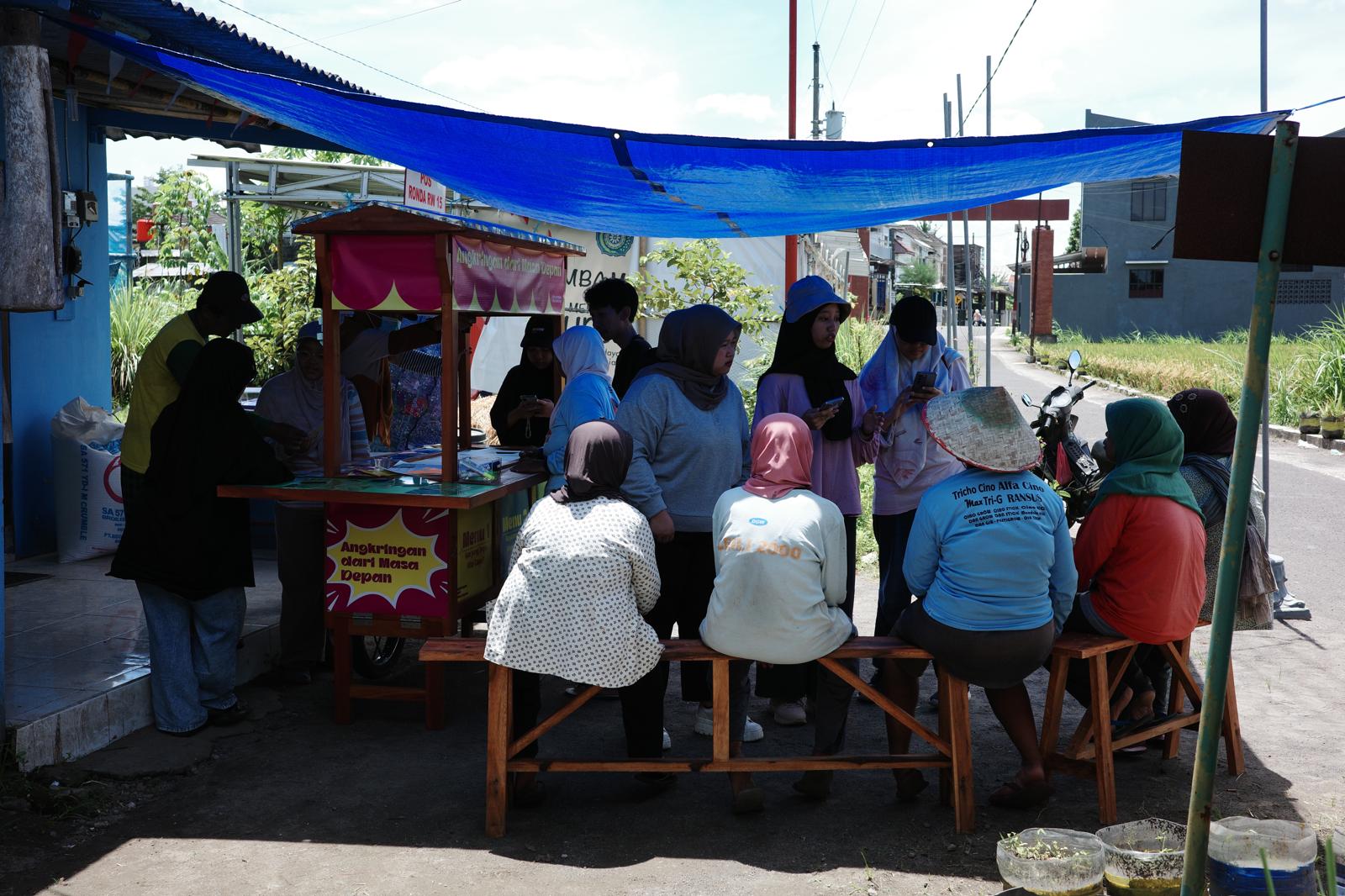
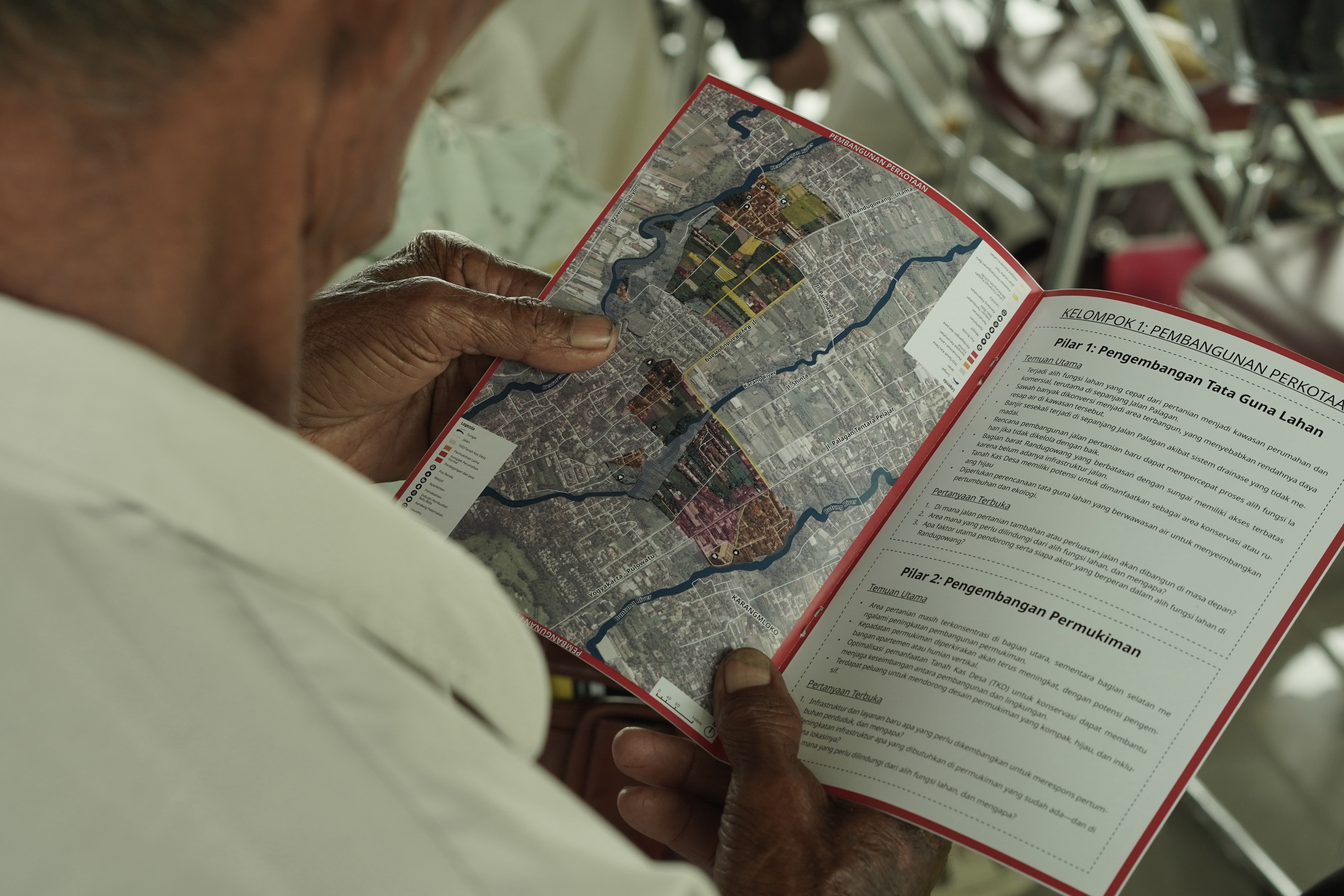
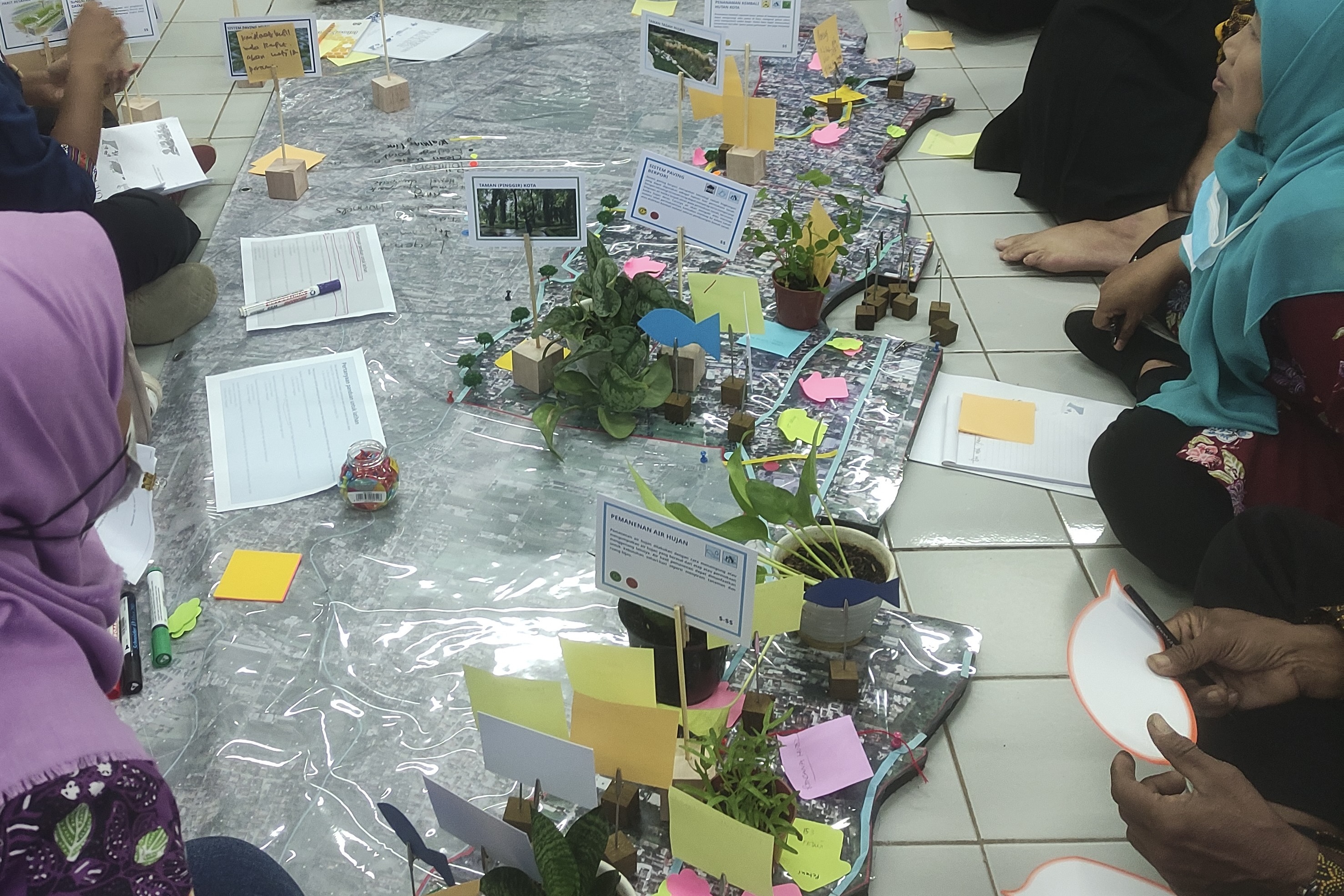
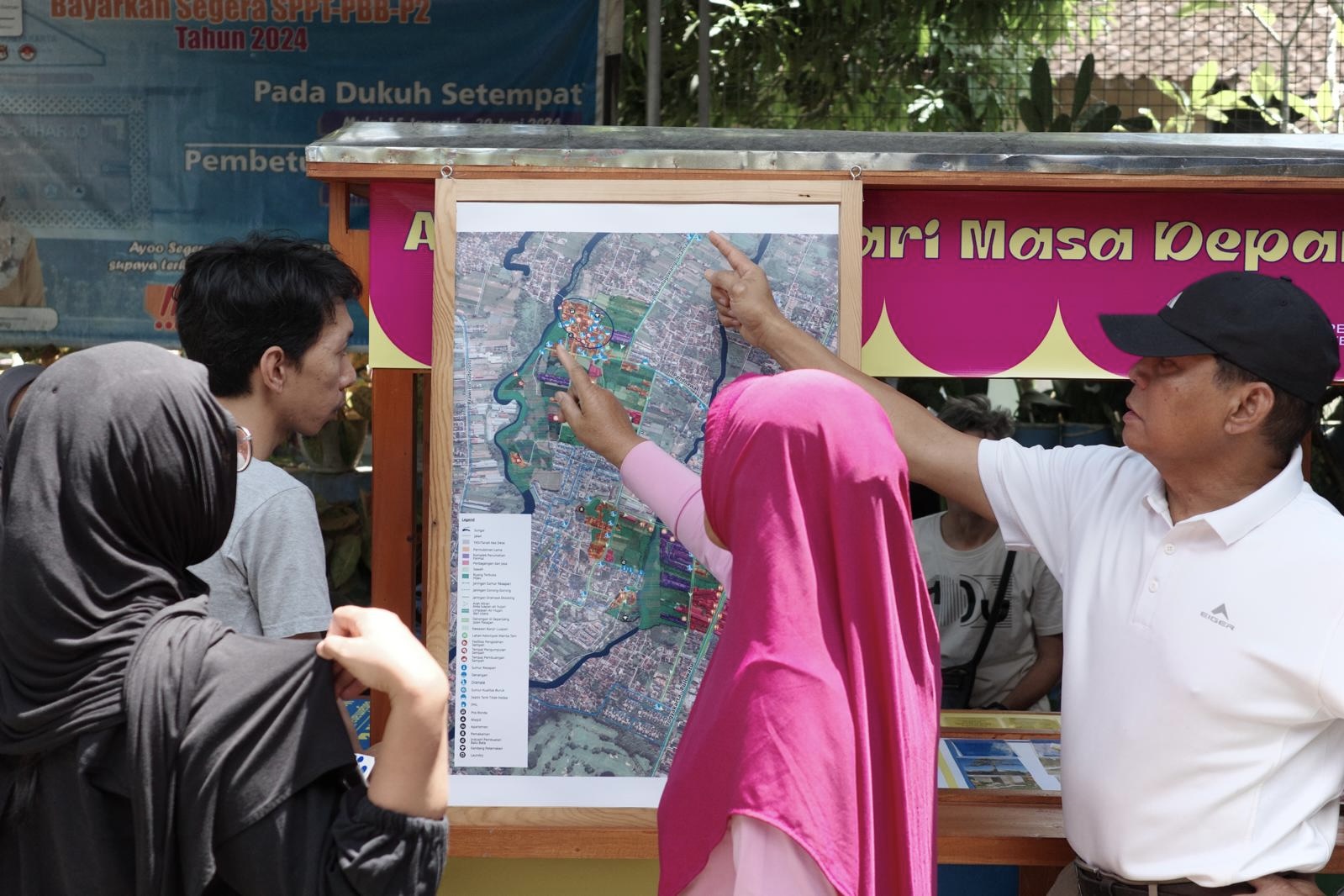
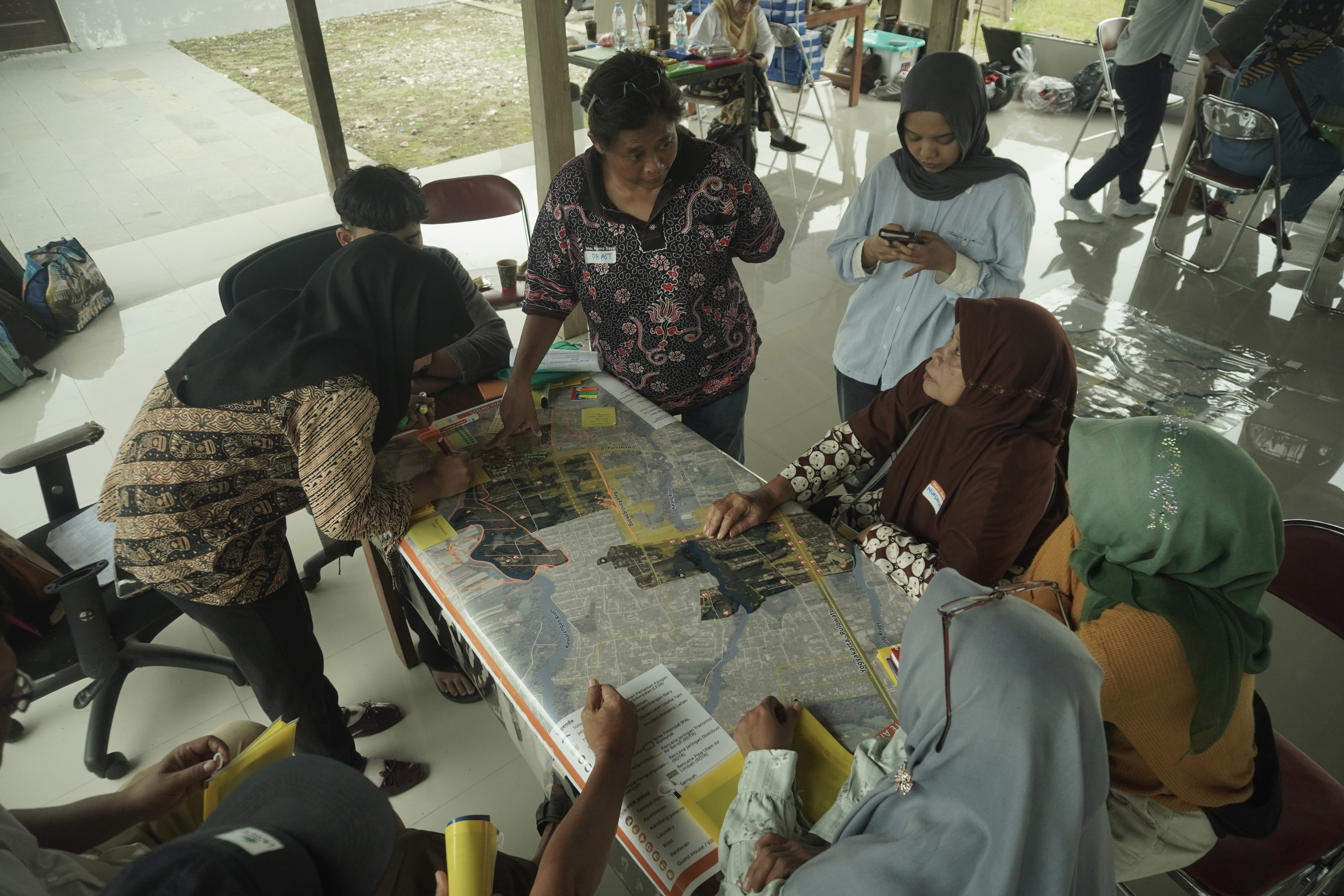
In Indonesia, the work is advancing through the Water-Sensitive Visioning in Randugowang, Sariharjo process, building on the Rejodani experience and the Randugowang baseline assessment to replicate and scale up locally grounded WSUP practices, participatory vision-building, blue-green infrastructure approaches, waste and water-related municipal service planning, and community-based action planning in Sleman.
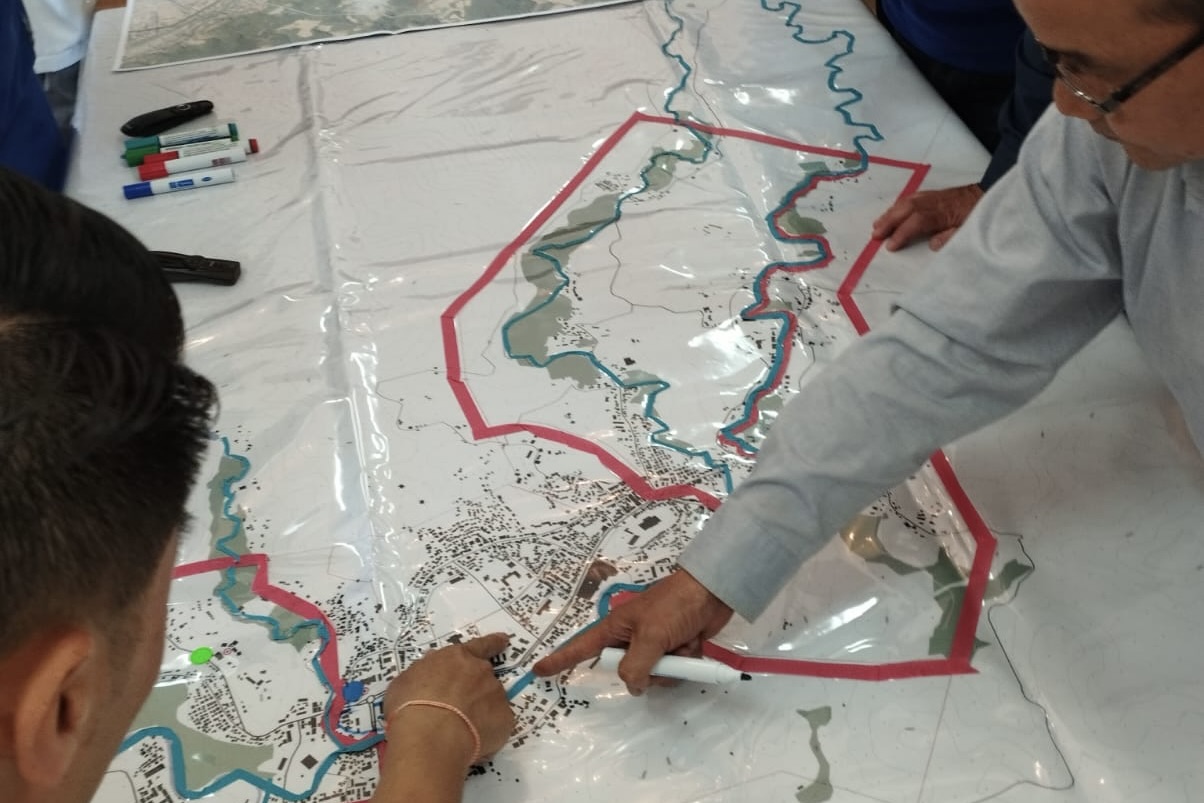
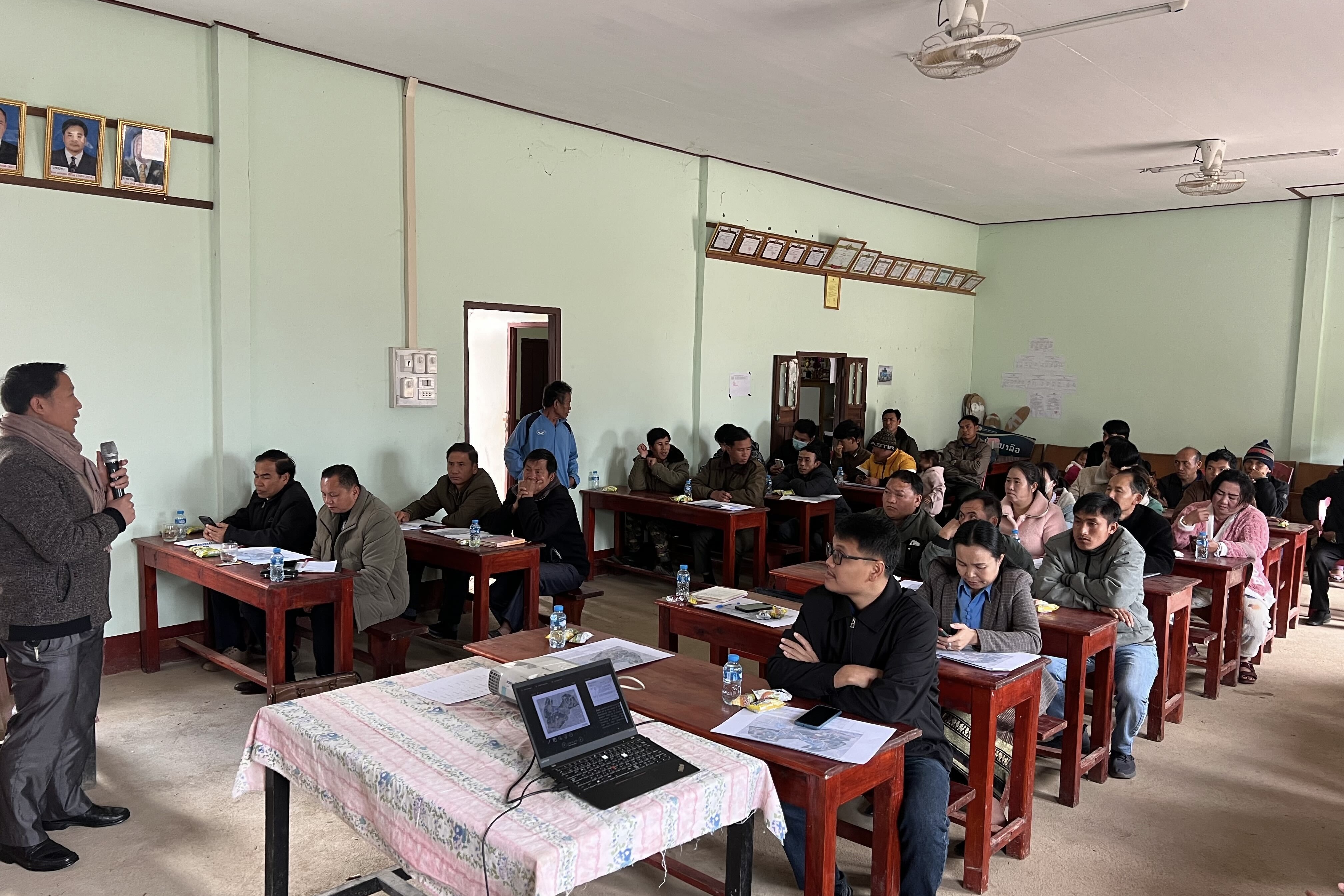
In Lao PDR, the focus is on institutional uptake through the update of the national Urban Planning Guidelines, integrating water-sensitive, climate-adaptive, hazard-informed and participatory planning into regular planning practice.
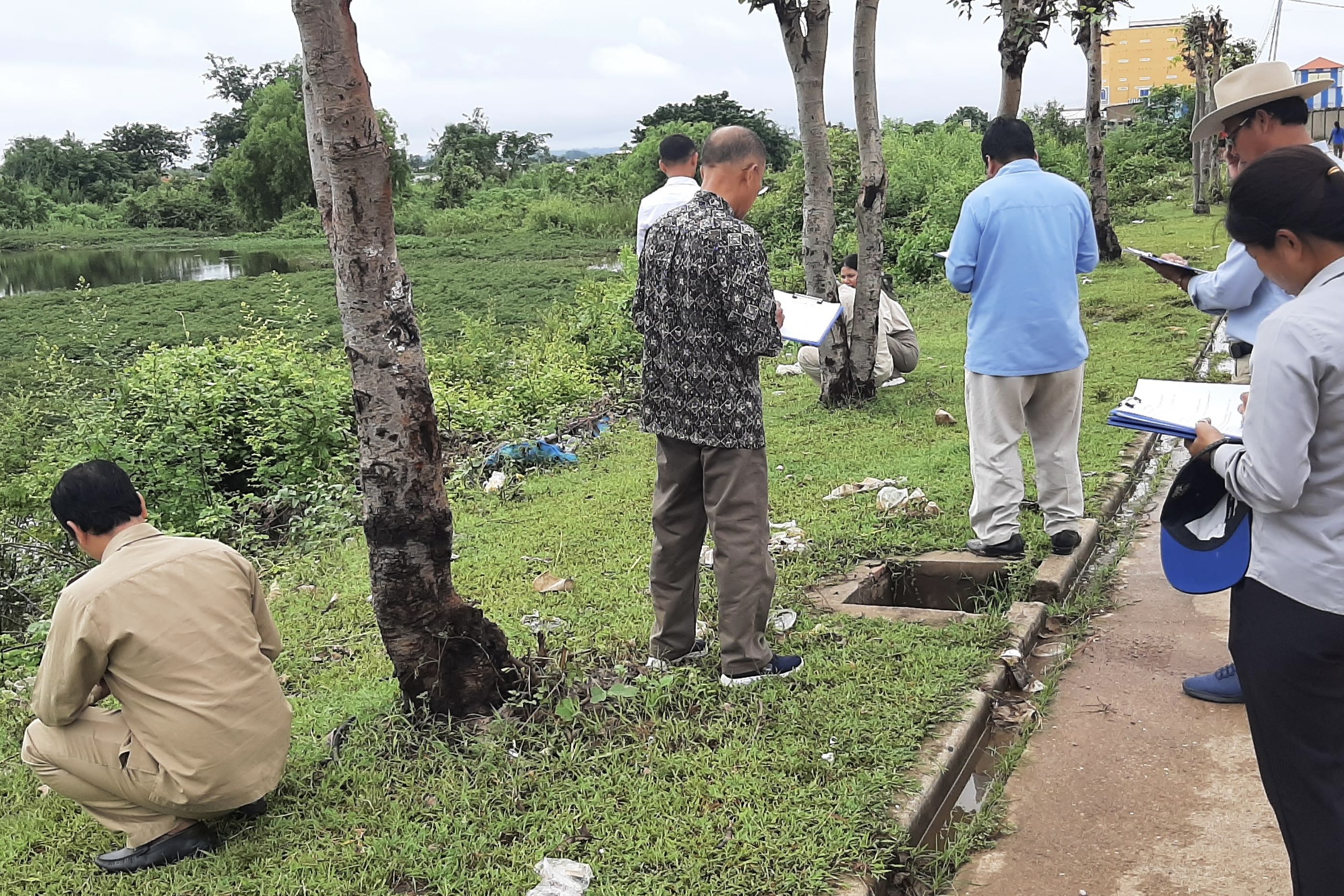
In Cambodia, the implementation phase is centred on Kratié, where activities focus on greening, waste management, nature-based drainage, green-space development and follow-on cooperation linked to the EU in ASEAN programme.
Further details are available on the PolyUrbanWaters updates page.
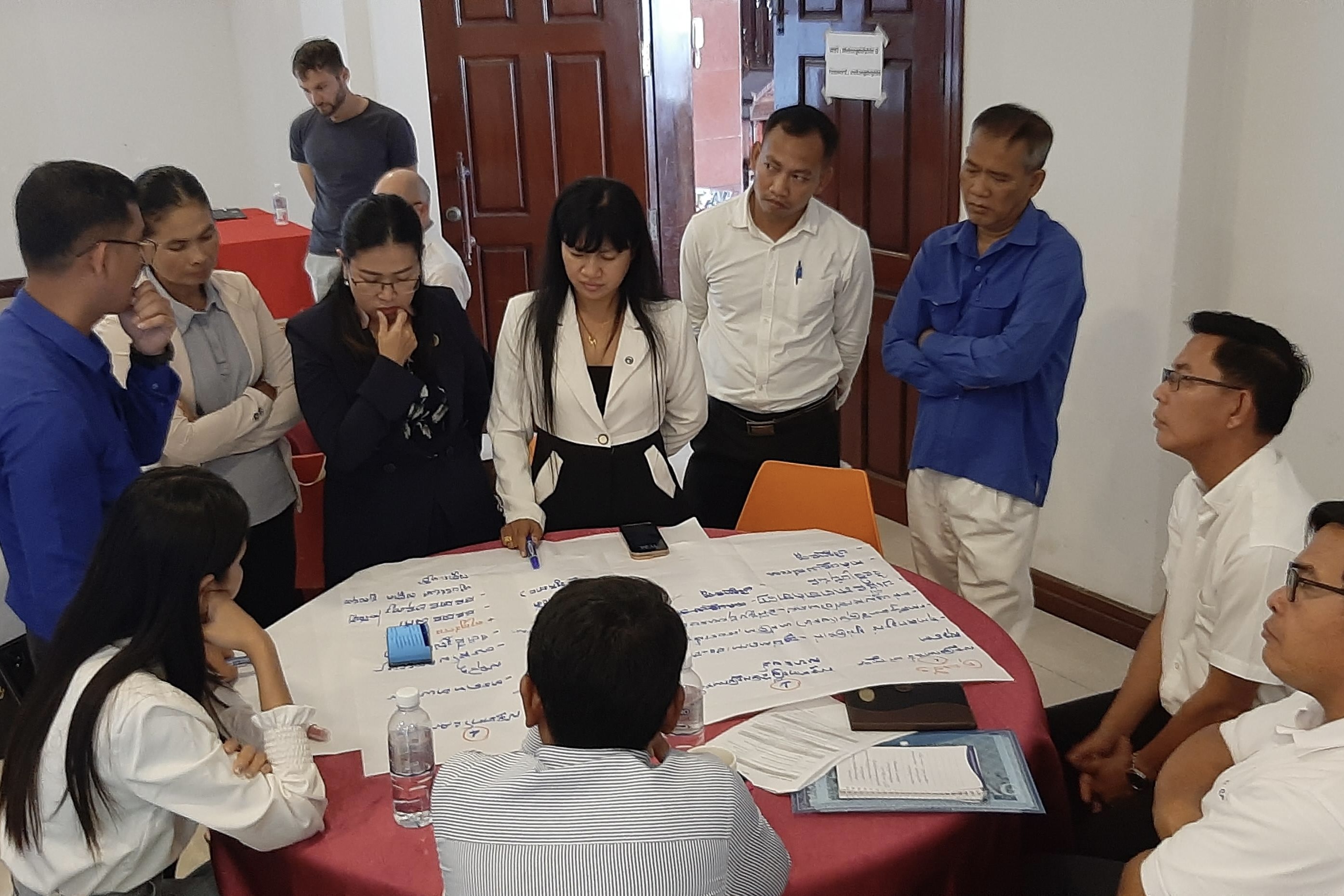
Watch videos here: Participatory Workshops for Vision Building in Indonesia
Pop-Up Workshops: Angkringan From The Future
BORDA e. V.
Dr. Bernd Gutterer
Am Deich 45
28199 Bremen
Germany
Chair of Integrated Land and Water Resources Management
Prof. Dr. Lars Ribbe
TH Köln (University of Applied Sciences)
ITT – Institute for Technology and Resources Management in the Tropics and Subtropics
Betzdorfer Straße 2
50679 Köln (Deutz)
Germany
+49 221 8275 2774
AKSANSI
ASOSIASI KSM SANITASI SELURUH INDONESIA
Prasetyastuti Purpowardoyo
Jl. Pandega Mandala 34 C
Yogyakarta 55283, Indonesia
Cambodian Institute for Urban Studies (CIUS)
School of Architecture and
Dr. Tep Makathy
#89, Str. 313, Boeung Kak-2, Toul Kok Campus
Phnom Penh, Cambodia
Hamburg Wasser
Infrastrukturkoordination und Stadthydrologie
Christian Günner
Billhorner Deich 2
20539 Hamburg, Germany
City Alliance "People.Sanitation.Cities"
Sri Purnomo
Kayen No. 176, JI. Kaliurang Km 6,6
Yogyakarta 55283, Indonesia
Environmental Sanitation Cambodia (ESC)
#490, Str. 456, Sangkat Tuoltompoung 1
Khan Chamkarmorn
Phnom Penh, Cambodia
Universitas Gadjah Mada
Department of Architecture and Planning
Prof. Bakti Setiawan
Kampus FT UGM, Jl. Grafika 2 Sekip
Yogyakarta 55281, Indonesia
Kota Kita, A City for All
Ahmad Rifai
Jl. Melon Raya no. 53 Karangasem
Surakarta
Central Java 57145, Indonesia
Umweltbetrieb Bremen
Dr. Georg Grundwald
Willy-Brandt-Platz 7
28215 Bremen, Germany
Freie Hansestadt Bremen
Der Senator für Umwelt, Bau und Verkehr
Hildegard Kamp
Contrescarpe 72
28195 Bremen, Germany
UNESCAP
United Nations Economic and Social Commission for Asia and the Pacific
Aida Karazhanova
United Nations Building
Rajadamnern Nok Avenue
Bangkok 10200, Thailand
Vietnam Academy for Water Resource (VAWR)
Prof. Dr. Nguyen Tung Phong
171 Tay son, Dong Da
Hanoi, Vietnam
Inc.Square Co. Ltd.
Dr. Atitaya Panuvatvanich
58 AIT Conference Center
Phoholyothin RD., Klong Luang
Pathumtani 12120, Thailand
Fibertech Co. Ltd.
Kittisak Tangsiri
36 MOO 15
Racha Thewa, Bang Phli
Samut Prakan 10540, Thailand
RMIT University Vietnam / Royal Melbourne Institute of Technology (RMIT), Vietnam
Dr. Tran Duc Trinh
Saigon South Campus
702 Nguyen Van Linh Boulevard
Tan Hung Ward
Ho Chi Minh City
Vietnam
Lukas Pappert
lukas.pappert@tu-berlin.de
Melanie Marshal
m.marshal@tu-berlin.de
Johanna Westermann
westermann@tu-berlin.de
Habitat Unit, Room A 624 / A 409
T +49 30 314 21908
F +49 30 314 21907
www.polyurbanwaters.org