M.Sc. Urban Design, 2025
Kéan Koschany
Supervision: Prof. Dr. Anke Hagemann (Habitat Unit), Tino Imsirovic (Bauhaus Erde)
Serpentine Value Chains
On the Potential of Hemp-based Products for a Socio-ecologically Just Building Sector in Bhutan
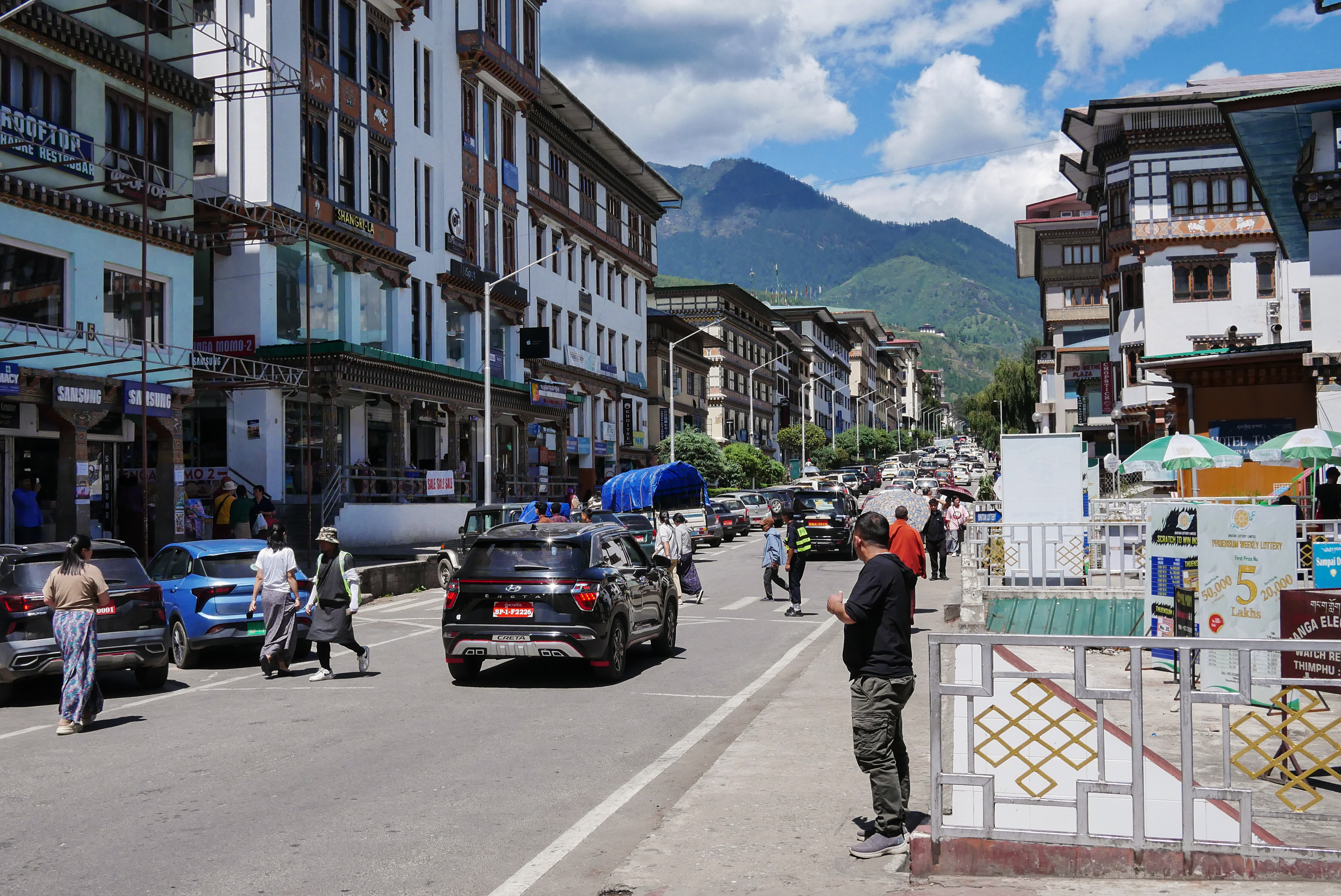
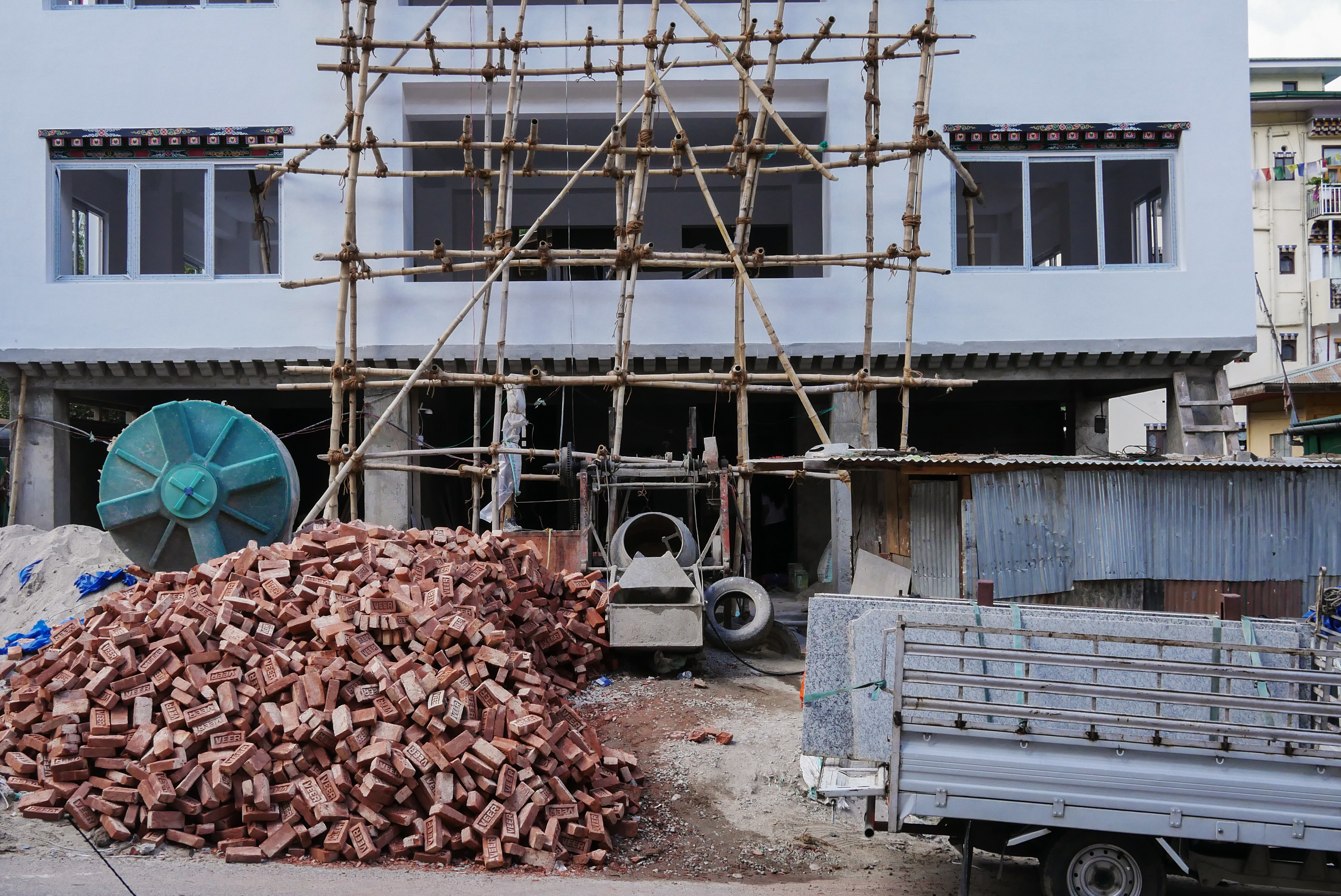
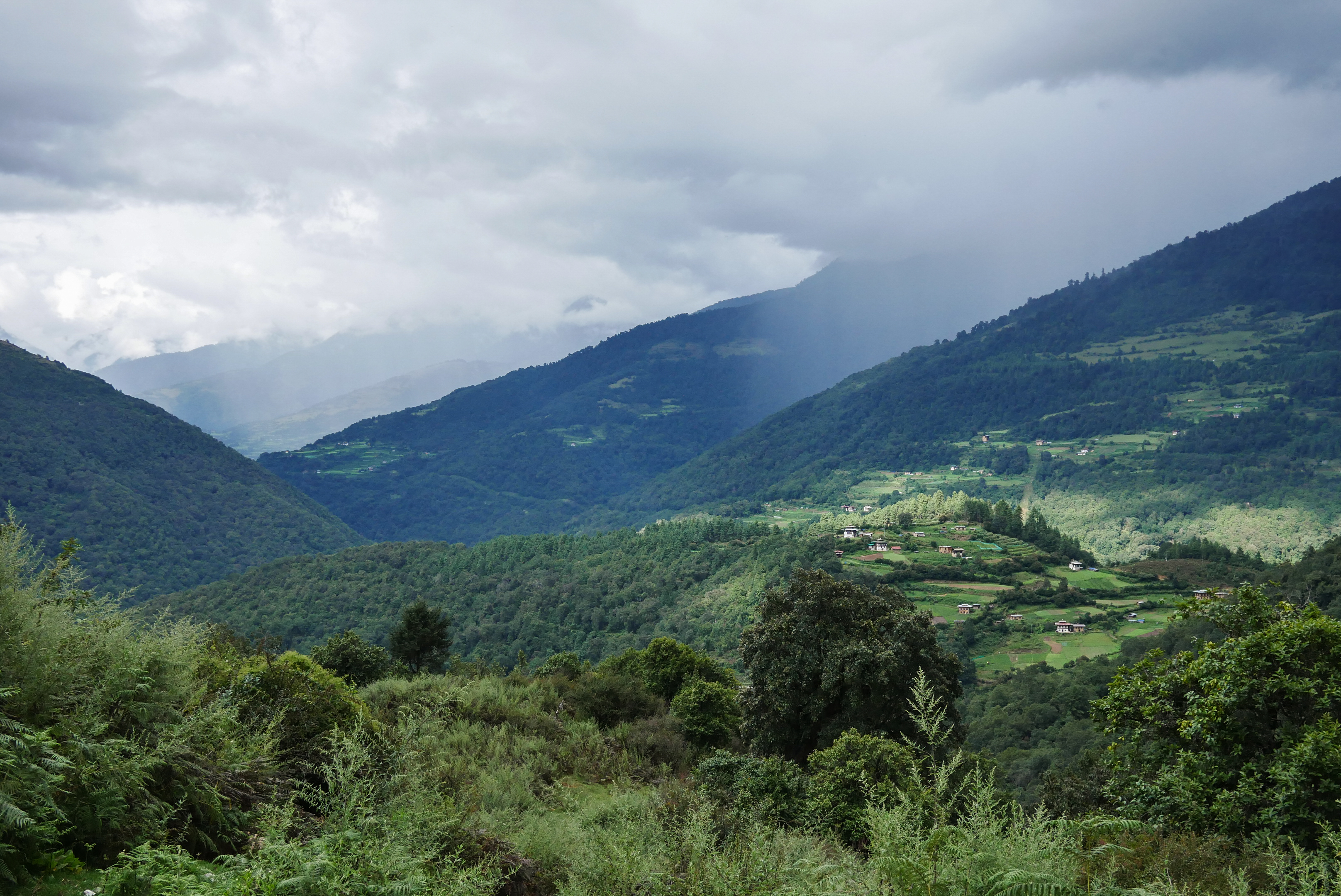
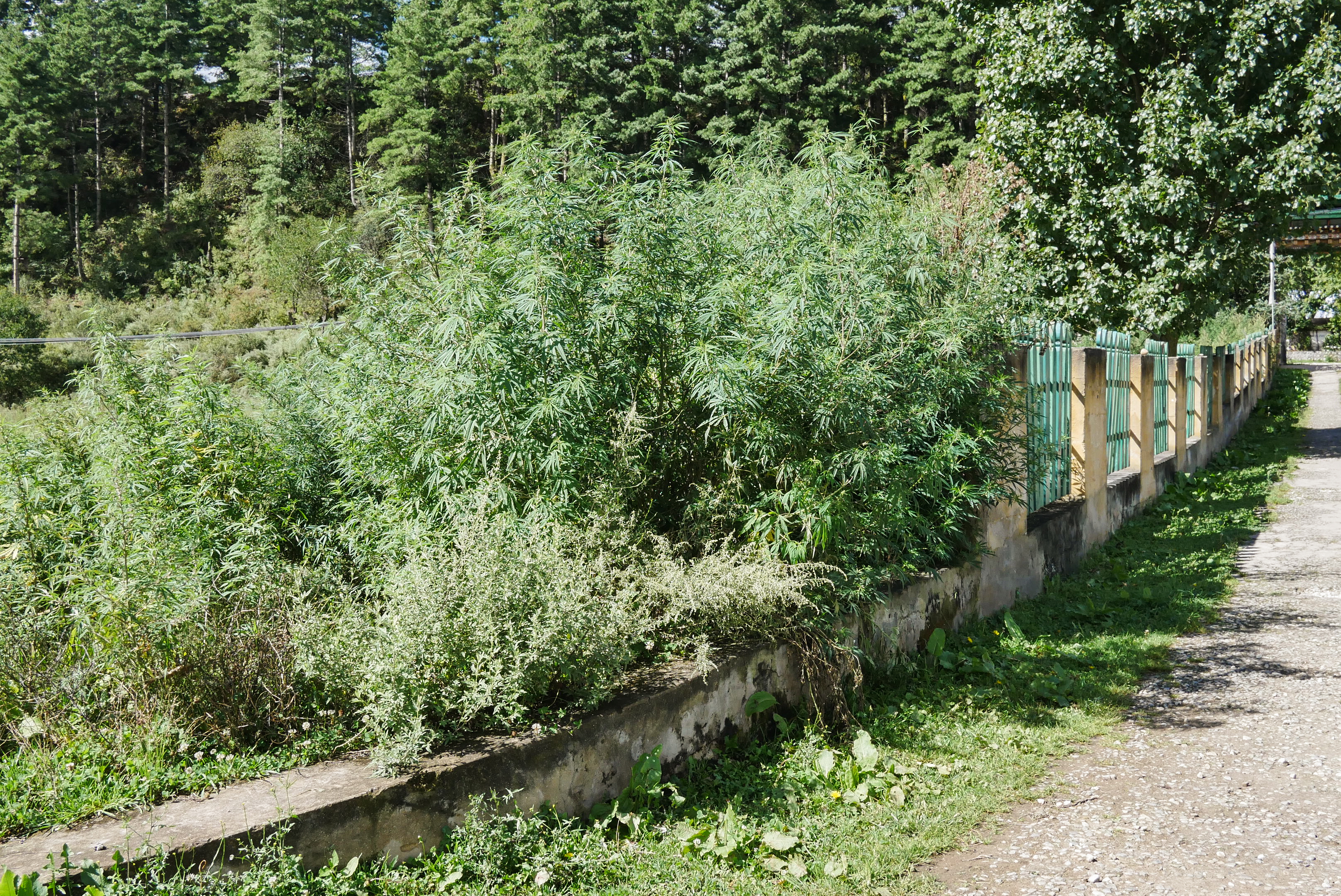
This master’s thesis investigates the potential of integrating hemp-based materials into Bhutan’s building sector to promote a socio-ecologically just, regenerative built environment. Recognizing Bhutan's unique status as a carbon-negative country, the research addresses the paradox of a building sector reliant on imported and emission-heavy construction materials like concrete, bricks, and steel, diverging from the nation’s sustainability goals. The project applies the theoretical lens of Urban Political Ecology (UPE) as a guiding tool for critical analysis and reflection to evaluate the multifaceted socio-ecological and economic relations linked to the local built environment and the building sector, focusing on a sustainable transformation that balances urban growth with environmental stewardship and social justice. First, this study examines various relevant drivers of change in Bhutan, before taking a closer look at the circulation of materials, energy, and labour tied to contemporary urban construction. Secondly, it gives an overview on hemp and its potential for cultivation and application as a building material in Bhutan. Third, this thesis develops a scenario-based proposal for a local hemp ecosystem for the Thimphu capital region, creating a tangible and locally embedded narrative that showcases the potential of transitioning towards a regional and nature-based building sector with the means of hemp-based construction materials. Finally, the study critically reflects and speculates on possible socio-ecological and economic implications of this transformation.
This thesis is situated within the larger ReBuilt project, an initiative by the research institute Bauhaus der Erde, aiming to advance regenerative building practices globally, with Bhutan as one of its case studies. Through its contribution, this thesis aims to add a valuable perspective to both the research project and to the overall discourse on transitioning towards a regenerative built environment in a socially and ecologically just manner.

Download full PDF here.
Kéan Koschany
k.koschany@gmx.de / koschany@bauhauserde.org